
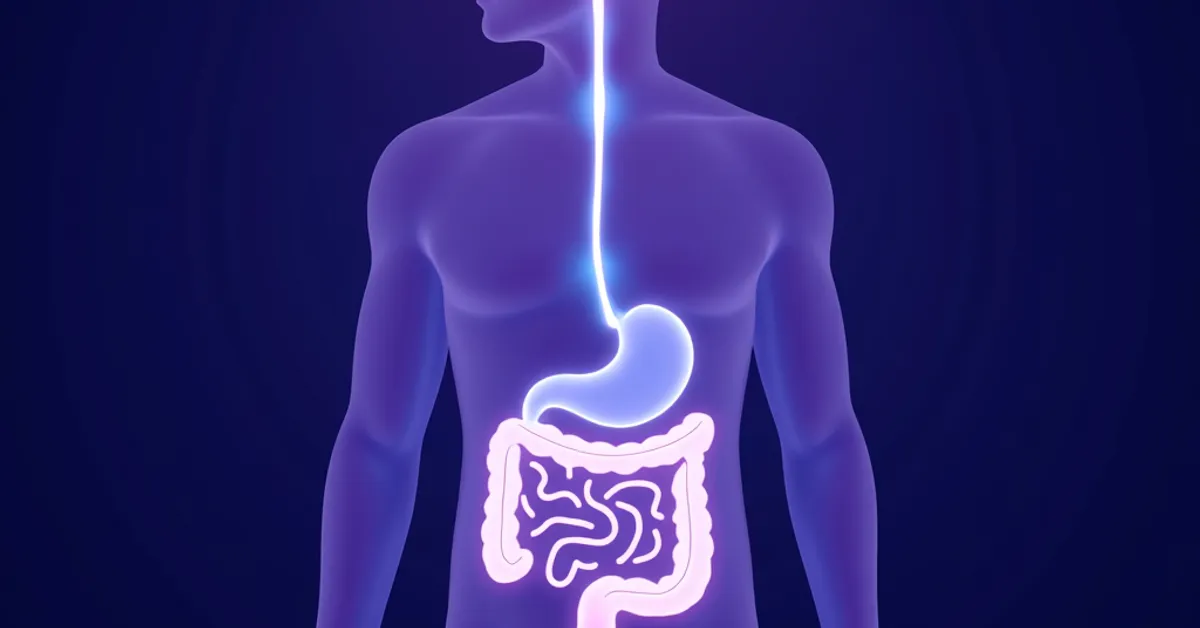
The Gut Makes More Serotonin Than Your Brain Does
Approximately 95% of the body’s serotonin is produced in the gut — not the brain. That single fact reframes the entire conversation about mood, mental health, and what’s actually driving the neurochemical balance that determines how you feel on any given day. The gut-brain axis is the bidirectional communication network connecting these two systems, and probiotics are emerging as one of the most accessible ways to influence it. This is the research behind how gut bacteria affect mood, anxiety, and mental health.
The gut-brain axis operates through several overlapping pathways: the vagus nerve (a direct physical connection between gut and brain), the enteric nervous system (the gut’s independent neural network), immune signaling (inflammatory cytokines that cross the blood-brain barrier), and the production of neuroactive compounds including serotonin, GABA, and dopamine precursors. Gut bacteria influence all of these pathways simultaneously, which is why the microbiome state can have such pervasive effects on cognition and mood.
The Vagus Nerve: A Direct Line Between Gut and Brain
The vagus nerve is the longest cranial nerve in the body, running from the brainstem down through the chest and abdomen to the gut. Contrary to the intuitive assumption, roughly 80-90% of the fibers in the vagus nerve carry information upward — from gut to brain — rather than the other direction. The gut is constantly sending status reports to the brain about the microbial environment, nutrient status, inflammatory state, and mechanical activity of the GI tract.
Gut bacteria communicate with vagal afferent neurons through several routes: direct stimulation via enteroendocrine cells in the gut lining, production of short-chain fatty acids that activate specialized receptors on vagal neurons, and release of neurotransmitter precursors and signaling molecules. Research on the role of probiotics and prebiotics in modulating the gut-brain axis confirms that specific probiotic strains influence vagal nerve signaling, altering mood-relevant brain activity. (PMID: 37565035)
This vagal pathway is one reason that gut health interventions — including probiotics, dietary changes, and even fecal microbiota transplants — can produce measurable changes in anxiety and mood outcomes. The nervous system connection is anatomically direct.
Serotonin Production: The 95% in Your Gut
Serotonin (5-hydroxytryptamine, 5-HT) is the neurotransmitter most associated with mood stability, well-being, and emotional regulation. Most people know that SSRIs (selective serotonin reuptake inhibitors) work by increasing serotonin availability in the brain. What’s less known is that the vast majority of the body’s serotonin is synthesized and stored in enterochromaffin cells in the gut lining — not in the brain.
This gut serotonin doesn’t cross the blood-brain barrier and function directly as a neurotransmitter in the central nervous system. Instead, it acts as a local signaling molecule: regulating gut motility, triggering nausea responses, influencing immune function, and communicating with vagal neurons. But the serotonin pathway itself is heavily influenced by gut bacteria. Specific bacterial metabolites stimulate enterochromaffin cells to produce serotonin; other bacteria produce serotonin precursors that can cross into systemic circulation.
A dysbiotic microbiome can disrupt this serotonin signaling system, contributing to both GI symptoms (altered motility, IBS) and mood symptoms simultaneously — which is one explanation for the striking co-occurrence of anxiety/depression with IBS and other gut disorders observed in clinical settings.
Psychobiotics: The Research on Bacteria for Mental Health
The term “psychobiotic” was coined to describe probiotic organisms that, when ingested in adequate amounts, produce mental health benefits in patients suffering from psychiatric illness. The research in this area has expanded considerably, with human clinical trials now supporting effects on anxiety, depression, stress response, and cognitive function.
A comprehensive review of the gut-brain axis and its role in mental health disorders found that probiotic strains containing Lactobacillus and Bifidobacterium species showed the most consistent impact on improving mental health symptoms, particularly for anxiety and depression. (PMID: 39273008)
Key findings from the clinical research:
Anxiety reduction: Multiple RCTs show that Lactobacillus rhamnosus supplementation reduces anxiety-like behaviors and lowers cortisol levels in stressed subjects. The effect is mediated at least partly through the vagus nerve — when the vagus is severed experimentally, the anxiolytic effect disappears.
Depression-related outcomes: Several trials have examined the effect of probiotic supplementation on depression symptom scores (using validated scales like PHQ-9 and HAM-D). Results are generally positive but effect sizes are moderate — consistent with probiotics as a supportive intervention rather than a standalone treatment for clinical depression.
Stress resilience: Studies measuring cortisol response to psychological stress show that people taking multi-strain probiotics have a blunted cortisol response compared to placebo — meaning the stress response is less severe, even when objective stress is equivalent. This effect is consistent with the gut-brain signaling research and suggests that microbiome health influences the HPA (hypothalamic-pituitary-adrenal) axis, the primary stress response system.
Cognitive function: Some trials show improvements in memory and cognitive flexibility with probiotic supplementation, particularly in populations with elevated inflammatory markers. The inflammation-cognition connection runs through the same neuroimmune pathways linking gut health to mood. The MFL deep-dive on gut-brain axis research covers the neuroimaging and cognitive trial findings in detail.
GABA: The Calming Signal from the Gut
GABA (gamma-aminobutyric acid) is the primary inhibitory neurotransmitter in the central nervous system — it quiets neural activity and promotes calm. Low GABA activity is a hallmark of anxiety disorders and is the target of benzodiazepine medications. Several Lactobacillus species, particularly L. rhamnosus and L. brevis, produce GABA as a metabolic byproduct.
Whether gut-produced GABA can meaningfully influence brain GABA levels is still an area of active research — the molecule’s transport across the blood-brain barrier is limited. But gut-produced GABA does interact with GABA receptors on vagal neurons, potentially mediating some of the anxiolytic effects observed in probiotic research. The gut GABA story is still being written, but the preliminary evidence points to a real mechanism.
The Enteric Nervous System: Your Second Brain
The enteric nervous system (ENS) is the network of approximately 500 million neurons embedded in the GI tract wall — more neurons than the spinal cord. The ENS operates independently of the central nervous system, governing gut motility, secretion, and blood flow without waiting for instructions from the brain. It’s been called the “second brain” for this reason.
Gut bacteria communicate extensively with the ENS through the same pathways that influence the vagus nerve. Disruptions to the microbiome alter ENS function: motility changes, altered pain sensitivity, and changes in the sensory information being relayed to the brain. Restoring microbiome balance through probiotics influences ENS function — which is one reason probiotic interventions affect both gut symptoms and mood-related symptoms simultaneously in IBS patients. The MFL overview of gut health and mood research covers the ENS research specifically.
Inflammation: The Bridge Between Gut and Brain
Chronic low-grade systemic inflammation is increasingly recognized as a major driver of depression, anxiety, and cognitive decline. Elevated inflammatory markers (CRP, IL-6, TNF-alpha) are consistently found in people with major depressive disorder, and anti-inflammatory interventions show antidepressant effects in clinical trials.
Gut dysbiosis is one of the primary sources of chronic low-grade inflammation in otherwise healthy adults. When the gut barrier is compromised, bacterial endotoxins (LPS) enter systemic circulation, triggering continuous immune activation. Over time, this sustained inflammatory state crosses into the brain via pro-inflammatory cytokines that cross the blood-brain barrier, activating microglia (the brain’s immune cells) and reducing neuroplasticity.
Probiotics address this pathway directly: by supporting gut barrier integrity, reducing dysbiosis, and modulating GALT immune responses, they reduce the systemic inflammatory burden. In people with elevated CRP or other inflammation markers, this can produce meaningful improvements in mood-related symptoms over 8-12 weeks of consistent supplementation.
A Practical Note
The gut-brain axis research is genuinely exciting, but calibration is important. Probiotics are not antidepressants. They don’t replace therapy, medication, or other evidence-based mental health interventions for people with clinical depression or anxiety disorders. What the research supports is the idea that gut health is a meaningful contributor to the neurochemical and neuroimmune environment in which mental health is maintained — and that probiotics are one of the most accessible tools for supporting that environment.
For people with gut symptoms and mood symptoms occurring together (extremely common in IBS patients), addressing the gut microbiome with a quality probiotic may provide relief on both fronts simultaneously. The starting point for any probiotic intervention is a product that actually delivers viable bacteria to the intestines — everything else follows from that.
The complete guide to choosing the best probiotic supplement covers what to look for in a quality product. For the immune-health connection, see the overview of probiotics and the immune system. For daily use, Me First Living’s 40 Billion CFU probiotic provides the multi-strain, delayed-release formulation that the gut-brain research uses as its model for effective supplementation.