
Your Gut Is Running Your Immune System
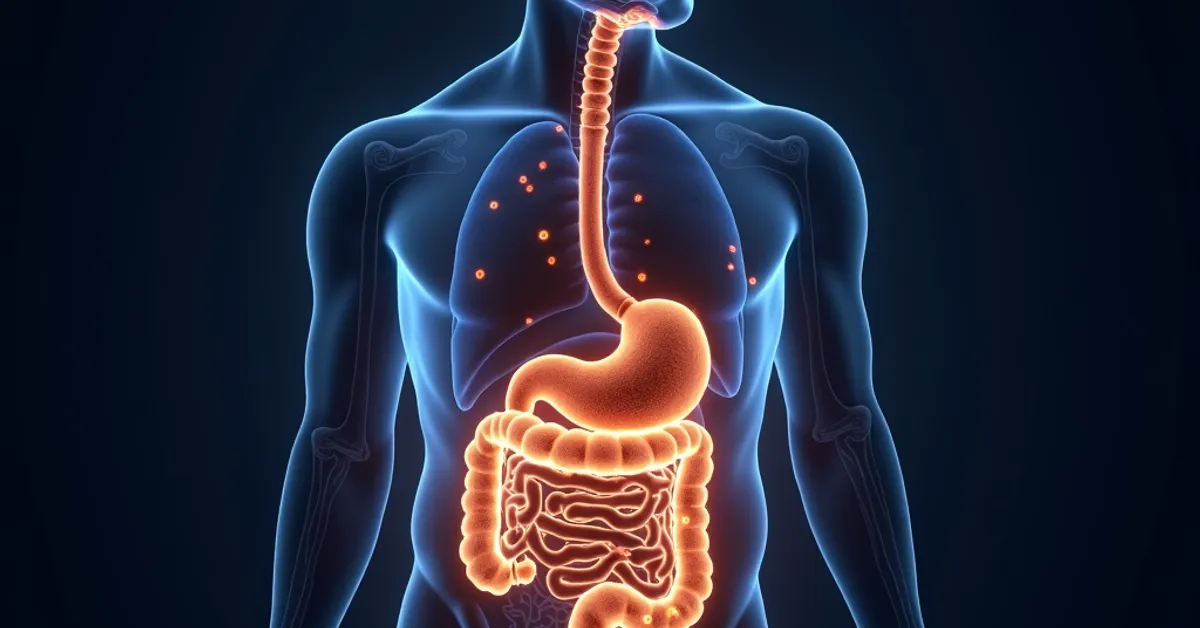
Approximately 70% of the body’s immune tissue lives in the gut. That’s not a wellness blog approximation — it’s basic immunology. The gut-associated lymphoid tissue (GALT) forms the largest immune organ in the human body, containing more immune cells than any other tissue. It monitors every bacterium, virus, food particle, and toxin that enters through the digestive tract, making continuous decisions about what’s friend, what’s foe, and how aggressively to respond.
Probiotics and immune system function are deeply intertwined for this reason. The bacteria living in your gut don’t just sit next to immune tissue — they actively communicate with it, train it, and modulate its responses. Understanding how probiotics support immune function, which strains are best supported by evidence, and what the GALT connection actually means is essential context for anyone using probiotics for immune health.
For background on the specific bacterial strains and their role in the gut ecosystem, the science-based explainer on what probiotics are covers the major genera and their mechanisms.
The Gut-Associated Lymphoid Tissue (GALT)
The GALT is a distributed network of immune structures embedded throughout the intestinal wall. Its major components include Peyer’s patches (clusters of lymphoid tissue in the small intestine wall), isolated lymphoid follicles distributed throughout the gut, and mesenteric lymph nodes that filter lymph draining from the intestines.
These structures contain extraordinary concentrations of immune cells: T cells, B cells, macrophages, dendritic cells, and natural killer cells. The GALT produces more IgA antibodies than all other tissues combined — secretory IgA (sIgA) is the antibody class that lines mucosal surfaces throughout the body (gut, lungs, sinuses, urogenital tract) and provides the first line of defense against pathogens entering through these surfaces.
The bacteria living in your gut continuously interact with GALT cells through the intestinal epithelium. Specialized immune cells called M cells actively sample gut bacteria, presenting them to lymphocytes for evaluation. This continuous sampling process is how the immune system learns to tolerate beneficial bacteria while remaining alert to pathogens — a process called oral tolerance. When the microbiome is disrupted (dysbiosis), this calibration breaks down, which is one reason gut dysbiosis is associated with autoimmune conditions and inflammatory diseases. (PMID: 19954356)
How Probiotics Support Immune Function
The mechanisms linking probiotics to immune support are multiple and well-characterized:
Stimulating sIgA production: Several Lactobacillus and Bifidobacterium strains have been shown to increase secretory IgA levels at mucosal surfaces. Higher sIgA levels translate to better frontline protection against respiratory viruses, foodborne pathogens, and other mucosal invaders. This is one of the most direct pathways from probiotic supplementation to immune outcomes.
Regulating inflammatory responses: Probiotic bacteria communicate with regulatory T cells (Tregs) and dendritic cells in the GALT, promoting anti-inflammatory cytokine production (particularly IL-10 and TGF-beta) while reducing pro-inflammatory cytokines (IL-6, TNF-alpha). This regulatory effect is why probiotics are associated with lower levels of chronic systemic inflammation in supplementation studies.
Enhancing natural killer (NK) cell activity: Some Lactobacillus strains, particularly L. rhamnosus and L. acidophilus, have been shown to increase NK cell activity — the immune cells responsible for targeting virus-infected cells and abnormal cells. Enhanced NK activity is associated with faster viral clearance and reduced symptom severity during respiratory infections.
Supporting gut barrier function: A compromised gut barrier (increased intestinal permeability) allows bacterial lipopolysaccharides (LPS) to enter the bloodstream, triggering chronic low-grade systemic inflammation that taxes immune function over time. By strengthening tight junctions and maintaining gut barrier integrity, probiotics reduce this inflammatory burden, freeing immune resources for acute challenges. (PMID: 23151182)
Probiotic Strains With the Strongest Immune Evidence
Not all probiotics support immune function equally. The evidence is strain-specific:
Lactobacillus rhamnosus GG: One of the most studied probiotic strains in existence. Multiple RCTs show reduced duration and severity of upper respiratory infections in children and adults. Particularly strong evidence for reducing respiratory infection risk during high-exposure periods.
Lactobacillus acidophilus NCFM: Strong evidence for increasing NK cell activity and sIgA production. Multiple trials in adults show reduced cold and flu incidence with daily supplementation.
Bifidobacterium lactis Bl-04: Clinical trials demonstrate reduced incidence of upper respiratory tract infections and modulation of immune cell profiles. Specifically associated with improved mucosal immunity in the respiratory tract.
Bifidobacterium longum: Associated with reduced inflammation markers (CRP, IL-6) and improved immune response in both gut and systemic contexts. Good evidence for supporting immune function in older adults, whose microbiomes often show declining Bifidobacterium levels.
Lactobacillus plantarum: Strong anti-inflammatory properties via modulation of NF-kB signaling — one of the primary pathways controlling inflammatory gene expression. Used in clinical studies for reducing systemic inflammation.
Seasonal Immune Support: What the Research Suggests
The seasonal immune health application of probiotics is one of the best-documented use cases in the literature. Multiple trials have examined whether daily probiotic supplementation reduces incidence, duration, or severity of upper respiratory tract infections (URTIs), with generally positive findings.
A consistent pattern emerges: people who take a multi-strain probiotic daily for 8+ weeks show lower rates of cold and flu episodes, shorter duration when infections occur, and reduced symptom severity. The effect size is moderate rather than dramatic — probiotics don’t make you immune to viruses, but they appear to shift the balance meaningfully in your favor during cold and flu season.
The mechanism is primarily the sIgA and NK cell pathways described above, along with the reduced systemic inflammatory burden that comes from better gut barrier maintenance. An immune system that isn’t constantly managing low-grade gut inflammation is better positioned to respond to acute viral challenges.
Starting probiotic supplementation 4-8 weeks before peak exposure periods (typically fall and winter in temperate climates) allows time for the microbiome and immune system adaptations to establish before exposure increases.
Probiotics, Aging, and Immune Decline
The gut microbiome changes significantly with age. Adults over 65 consistently show lower microbial diversity, reduced Bifidobacterium levels, and higher levels of pro-inflammatory bacteria compared to younger adults — a shift called “inflammaging” that contributes to the chronic low-grade inflammation associated with aging and age-related disease.
Probiotic supplementation in older adults shows particularly robust immune benefits in clinical trials, likely because the baseline microbiome disruption is more severe and there’s more room for improvement. Studies in elderly subjects show significant increases in NK cell activity, IgA levels, and vaccine response with probiotic supplementation — all markers of immune competence that decline with age.
For older adults specifically, Bifidobacterium supplementation alongside a Lactobacillus-containing formula addresses the most significant age-related microbiome deficit. A high-quality multi-strain product like Me First Living Probiotic 40 Billion CFU covering both genera is well-suited for this application.
Putting It Together
The gut-immune connection is one of the most clinically compelling arguments for probiotic supplementation in otherwise healthy adults. The GALT requires a diverse, balanced microbiome to function optimally. When dysbiosis disrupts that balance, immune regulation suffers — both in terms of frontline mucosal defense and systemic inflammatory regulation.
Regular probiotic supplementation doesn’t guarantee immunity to illness, but it supports the infrastructure your immune system relies on. Combined with a high-fiber diet, adequate sleep, and reasonable physical activity, daily probiotics represent one of the most evidence-backed lifestyle interventions for maintaining immune function. For the full picture on how gut and immune health interact, the MFL guide to gut-immune communication goes deep on the GALT research. For how the gut health foundation is built, read the overview of probiotics for gut health.