
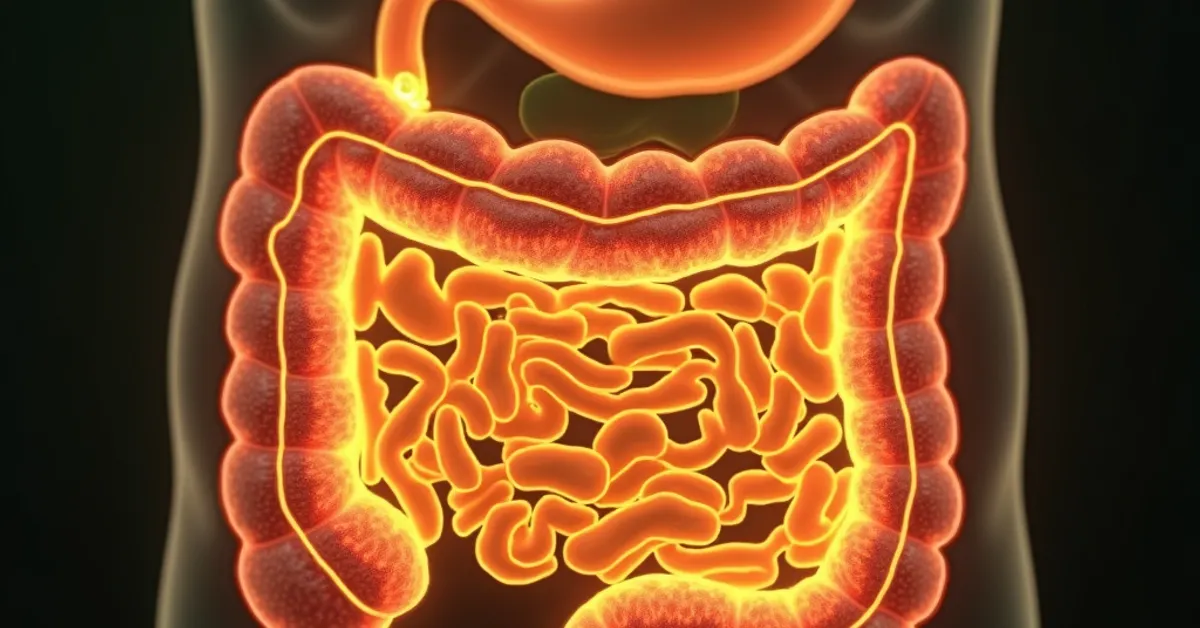
CFU Count and Gut Biology: The Connection That Matters
Probiotics for gut health have moved from wellness trend to mainstream medicine in the last decade, backed by hundreds of randomized controlled trials and a clearer understanding of why the gut microbiome matters in the first place. But the phrase “probiotics are good for gut health” has become so generic it’s nearly meaningless. This article gets specific — about what 40 billion CFU actually does inside your GI tract, which conditions are backed by the strongest evidence, and what the research says about leaky gut, IBS, and microbiome diversity.
Understanding the baseline helps. Your gut microbiome contains an estimated 100 trillion microorganisms spanning over 1,000 species. These aren’t passive residents. They ferment fiber, produce vitamins K2 and B12, synthesize short-chain fatty acids (SCFAs) that fuel your colon cells, train and regulate your immune system, and maintain the integrity of your intestinal lining. When this ecosystem is disrupted — through antibiotics, illness, chronic stress, or a low-fiber diet — the downstream effects touch everything from digestion to mood to immune function. (PMID: 22529959)
What 40 Billion CFU Actually Does
Forty billion CFU (Colony Forming Units) is a meaningful dose for gut health — not the minimum effective amount, and not an arbitrary marketing number. Clinical trials showing improvements in IBS symptoms, antibiotic recovery, and gut barrier function typically use doses in the 10-50 billion CFU range. Here’s what that dose does step by step.
First, the bacteria must survive the stomach. With quality delayed-release capsules, a significant portion of those 40 billion bacteria survive gastric transit and reach the small intestine intact. Cheaper products using standard gelatin capsules may deliver far fewer viable bacteria by the time the capsule contents reach the intestines.
In the small intestine, Lactobacillus species begin colonizing available adhesion sites on the mucosal lining. They produce lactic acid, lowering the local pH and making the environment less hospitable to pathogens. Lactobacillus also produces hydrogen peroxide and bacteriocins — antimicrobial compounds that directly inhibit competing harmful bacteria.
As bacteria reach the large intestine, Bifidobacterium species begin fermenting prebiotic fibers that escaped digestion in the small intestine. This fermentation produces short-chain fatty acids, primarily butyrate, acetate, and propionate. Butyrate is the preferred energy source for colonocytes — the cells that line your colon — and is critical for maintaining colon health and reducing inflammation. Propionate is shuttled to the liver and influences metabolic function. Acetate circulates systemically and has effects on immune cell regulation.
For more on how these processes interact with gut health at the cellular level, see the MFL probiotics gut health research overview.
Microbiome Diversity: Why It’s the Core Metric
Microbial diversity — the number of different species present in your gut — is the best single indicator of gut health researchers have identified. A diverse microbiome is more resilient, more functionally complete, and better at maintaining homeostasis. Low diversity is associated with IBS, IBD, obesity, type 2 diabetes, autoimmune conditions, depression, and anxiety.
Modern Western diets, high in processed foods and low in fiber, reliably reduce microbiome diversity over time. Antibiotic courses — even single courses — can significantly alter microbiome composition, with some studies showing reduced diversity persisting for months to years after treatment. Chronic stress also disrupts gut microbiome composition through the gut-brain axis.
Probiotics don’t directly increase diversity in the way that dietary fiber does (fiber grows the microbes already there; probiotics introduce new ones transiently). But they do support the conditions under which diversity can be maintained and restored. By competing with pathogens, supporting the gut barrier, and producing beneficial metabolites, probiotic strains create a gut environment where diverse resident species can thrive.
Probiotics for Bloating and Digestive Discomfort
Bloating is one of the most common gut complaints, and it’s one area where the probiotic evidence is genuinely strong. Bloating typically results from excessive gas production in the colon — either from fermentation by gas-producing bacteria or from impaired gas clearance. When the microbial balance tips toward gas-overproducing species (common in dysbiosis), bloating becomes chronic.
Lactobacillus and Bifidobacterium strains compete with these gas-overproducing species for resources and colonization sites. Several clinical trials have shown significant reductions in bloating symptoms with multi-strain probiotic supplementation over 4-8 weeks. The effect is particularly strong in people with dysbiosis compared to those with already-diverse microbiomes.
The mechanism isn’t just competitive exclusion. Probiotics also modulate gut motility — the rhythmic muscle contractions that move food and gas through the GI tract. Some Lactobacillus strains specifically influence intestinal motility through their interactions with the enteric nervous system (the gut’s own neural network, containing more neurons than the spinal cord).
Probiotics and IBS: What the Research Shows
Irritable bowel syndrome affects an estimated 10-15% of the global population and involves a complex interaction of gut motility, visceral hypersensitivity, gut-brain communication, and microbiome composition. The microbiome component is significant: IBS patients consistently show different microbiome profiles from healthy controls, with lower Bifidobacterium and Lactobacillus levels and higher levels of potentially harmful species.
A comprehensive meta-analysis of probiotics for IBS found that multi-strain probiotic supplementation produced statistically significant improvements in overall IBS symptoms, abdominal pain, bloating, and stool frequency compared to placebo. The effects were most pronounced in IBS-D (diarrhea-predominant) and IBS-M (mixed) subtypes. (PMID: 33555375)
Which strains work best for IBS varies by subtype and individual microbiome composition. Lactobacillus plantarum 299v has particularly strong evidence for IBS-related abdominal pain. Bifidobacterium infantis 35624 has robust evidence for IBS symptoms broadly. Multi-strain products covering multiple genera are the pragmatic choice for people without access to detailed microbiome testing.
Leaky Gut: What the Evidence Actually Says
Intestinal permeability — called “leaky gut” in popular discourse — refers to a breakdown of the tight junctions between intestinal epithelial cells, allowing bacteria, undigested food particles, and bacterial toxins (endotoxins) to enter the bloodstream. Elevated intestinal permeability is associated with IBD, food sensitivities, systemic inflammation, and several autoimmune conditions.
This is a real phenomenon with substantial peer-reviewed research behind it. What’s less established is the clinical significance in otherwise healthy people — intestinal permeability exists on a spectrum, and the threshold at which it produces symptoms isn’t clear.
What probiotics do for intestinal permeability is cleaner than the broader marketing narrative: specific strains, particularly Lactobacillus rhamnosus GG, Lactobacillus plantarum, and Bifidobacterium breve, have demonstrated the ability to strengthen tight junction proteins and reduce intestinal permeability in both animal models and human trials. This is a structural benefit — these bacteria produce compounds that directly influence the gene expression governing tight junction proteins.
The practical implication is that people with symptomatic increased intestinal permeability (typically manifesting as food sensitivities, bloating, and low-grade systemic inflammation) may benefit substantially from probiotics targeted at gut barrier support. People without these symptoms may see more modest effects from this mechanism specifically, though the other gut-health mechanisms remain relevant.
How to Support Probiotics With Diet
A probiotic supplement works best alongside a diet that supports microbial health. The key dietary factors:
Prebiotic fiber: The fermentable fibers in vegetables, legumes, whole grains, and certain fruits feed the bacteria you’re introducing. Onions, garlic, leeks, asparagus, Jerusalem artichokes, and bananas are particularly rich in inulin and FOS — the primary prebiotic fibers Bifidobacterium ferments.
Polyphenols: The plant compounds in berries, dark chocolate, green tea, olive oil, and many vegetables are selectively fermented by beneficial gut bacteria and have been shown to increase Bifidobacterium and Lactobacillus levels in the gut.
Diverse plant foods: Eating 30+ different plant species per week is associated with significantly higher microbiome diversity than eating fewer. Variety matters as much as quantity.
Taking a 40 billion CFU multi-strain probiotic like Me First Living Probiotic 40 Billion CFU provides the microbial dose; diet provides the fuel. The two work synergistically in a way that supplementation alone cannot fully replace. See the research on probiotics and digestive balance for the dietary interaction science.
What to Expect in the First Month
The first 1-2 weeks of probiotic supplementation sometimes involve a temporary increase in gas or bloating as the introduced bacteria interact with existing gut flora and the microbiome rebalances. This is normal and typically resolves within 7-14 days as the gut adapts.
After 2-4 weeks, most people with gut health issues begin to notice measurable changes: improved stool consistency, reduced bloating, more predictable digestion. The timing guide for taking probiotics covers how to structure your supplementation for maximum effect. People who don’t notice changes by week 6-8 should evaluate their product against the five quality criteria: CFU count, strain diversity, third-party testing, delayed-release capsules, and shelf stability. That evaluation starts with the probiotics buying guide.