The Definition That Actually Tells You Something
Probiotics are live microorganisms that, when consumed in adequate amounts, confer a health benefit on the host. That’s the official WHO definition, and it’s more useful than it sounds. The key phrase is “adequate amounts” — probiotics aren’t magic, and they don’t work below a threshold dose. They’re also not just bacteria, and not every live culture in food qualifies. Understanding what probiotics actually are, and how they interact with your gut microbiome, changes how you evaluate every product on the market.
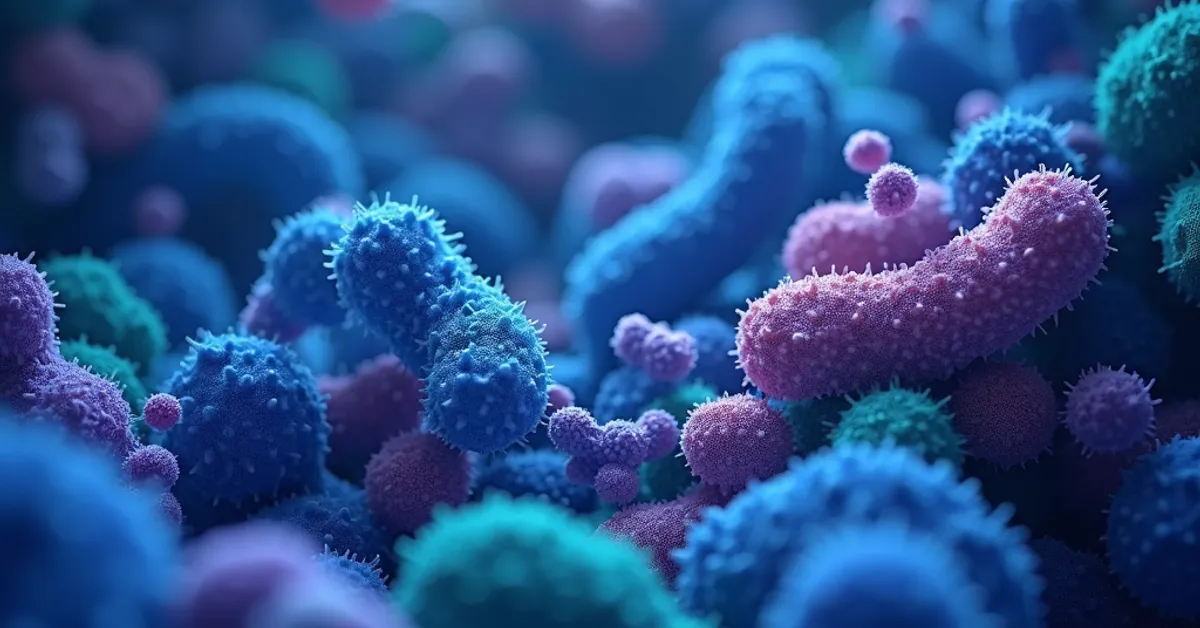
The gut microbiome is a vast ecosystem of bacteria, fungi, archaea, viruses, and other microorganisms living primarily in your large intestine. A healthy adult carries roughly 38 trillion microbial cells — more than the number of human cells in the body. These microbes aren’t passengers. They synthesize vitamins, train the immune system, regulate inflammation, produce neurotransmitter precursors, and form a protective barrier against pathogens. Probiotics are live microorganisms that support, replenish, or diversify this existing ecosystem. For a deeper look at how this research has evolved, the gut microbiome research overview from MFL covers the foundational science well.
How Probiotics Work in the Gut
When you take a probiotic supplement or eat a fermented food, you’re introducing live bacteria into an environment that already has billions of residents. What happens next depends on the strain, the existing microbiome composition, and the conditions in your GI tract.
Probiotics work through several overlapping mechanisms:
Competitive exclusion: Probiotic bacteria compete with pathogens for adhesion sites on the intestinal lining and for nutrients. When beneficial bacteria occupy those sites first, harmful bacteria have less opportunity to colonize. This is one reason probiotics are effective during antibiotic recovery — once antibiotics clear space in the gut, probiotics can colonize before opportunistic pathogens fill the void.
Lowering gut pH: Lactobacillus species produce lactic acid as a byproduct of fermentation. This lowers the pH of the intestinal environment, inhibiting the growth of many pathogens that can’t survive in acidic conditions. It’s a passive but highly effective form of protection.
Producing antimicrobial compounds: Some probiotic strains synthesize bacteriocins — protein-based compounds that kill or inhibit competing bacteria. These natural antimicrobials are strain-specific and add another layer of protection against harmful microbes.
Modulating the immune system: The gut houses approximately 70% of the body’s immune tissue. Probiotic bacteria interact directly with immune cells in the gut lining, helping regulate inflammatory responses, stimulate antibody production, and train immune cells to distinguish between friend and foe. (PMID: 19954356)
Supporting the gut barrier: The intestinal epithelium is a single layer of cells held together by tight junction proteins. When these junctions break down, undigested food particles and bacterial toxins can enter the bloodstream — a state sometimes called “leaky gut.” Several probiotic strains, particularly Lactobacillus rhamnosus and Bifidobacterium longum, have been shown to strengthen tight junctions and support epithelial integrity.
The Three Main Probiotic Genera
Lactobacillus
Lactobacillus is the most extensively studied probiotic genus, with dozens of species and hundreds of strains characterized in clinical research. These gram-positive, lactic acid-producing bacteria naturally colonize the small intestine, vaginal tract, and other mucosal surfaces. They’re particularly effective at:
- Managing antibiotic-associated diarrhea
- Reducing lactose intolerance symptoms
- Supporting vaginal microbiome health
- Improving gut motility
- Producing GABA and other neuroactive compounds that communicate with the brain via the gut-brain axis
Notable strains include L. acidophilus, L. rhamnosus GG (one of the most studied probiotic strains ever), L. plantarum, L. casei, and L. fermentum. Strain differences matter enormously. L. rhamnosus GG has robust evidence for reducing diarrhea in children; L. acidophilus has stronger evidence for cholesterol-related benefits. The species alone doesn’t tell you much — you need the strain.
Bifidobacterium
Bifidobacterium species are the dominant bacteria in the large intestine and represent one of the first microbial colonizers in infants (passed through breast milk). They’re particularly important for immune development and modulation. Adults with higher Bifidobacterium levels tend to have better gut barrier function and lower levels of systemic inflammation.
These bacteria ferment complex carbohydrates (prebiotics) that reach the colon undigested, producing short-chain fatty acids — primarily butyrate, acetate, and propionate. Butyrate is the primary fuel source for colonocytes (the cells lining your colon) and plays a critical role in colon health. Low Bifidobacterium levels are consistently associated with IBS, IBD, obesity, and metabolic disorders. (PMID: 33555375)
Key species include B. longum, B. breve, B. lactis, B. infantis, and B. bifidum. Like Lactobacillus, benefits are strain-specific. B. longum has particularly good evidence for anxiety reduction and gut-brain communication; B. lactis is well-studied for immune support.
Saccharomyces boulardii
Saccharomyces boulardii is not a bacterium. It’s a beneficial yeast — technically a subspecies of Saccharomyces cerevisiae (baker’s yeast) — and its yeast nature makes it unique among probiotics. Because it’s a fungus rather than bacteria, it’s completely unaffected by antibiotics. This makes it particularly valuable during and after antibiotic treatment, where it can maintain gut function even while antibiotic drugs kill off other bacteria.
S. boulardii has some of the strongest evidence of any probiotic for traveler’s diarrhea prevention, Clostridioides difficile infection prevention, and antibiotic-associated diarrhea. It also produces a protease that degrades toxins produced by C. difficile, directly neutralizing one of the most clinically dangerous gut pathogens.
Gut Microbiome Basics: The Ecosystem Your Probiotics Are Joining
Your gut microbiome develops from birth, shaped by delivery method (vaginal vs. C-section), infant feeding (breast milk vs. formula), early antibiotic exposure, and childhood diet. By age three, the microbiome largely resembles its adult composition — though it continues to shift throughout life in response to diet, medications, travel, stress, and illness.
Microbial diversity is the key indicator of gut health. A diverse microbiome — with hundreds of different species represented — is more resilient, more functional, and better at protecting against dysbiosis (microbial imbalance). Low diversity is associated with virtually every chronic disease studied, including obesity, type 2 diabetes, autoimmune conditions, depression, and anxiety.
Probiotics don’t permanently colonize the gut in most cases. The resident microbiome is extremely stable, and transient bacteria (including most supplemental probiotic strains) pass through over days to weeks. But “transient” doesn’t mean “ineffective.” Even temporary presence is enough to produce beneficial compounds, modulate immune responses, outcompete pathogens, and support barrier function. For an in-depth look at the specific microorganisms involved, see this overview of probiotic beneficial microorganisms.
Fermented Foods vs. Probiotic Supplements
Fermented foods — yogurt, kefir, kimchi, sauerkraut, miso, tempeh — contain live cultures and are genuinely beneficial for gut health. But they’re not interchangeable with probiotic supplements for specific therapeutic effects.
Fermented foods provide diverse microbial exposure, along with fermentation byproducts (organic acids, enzymes, bioactive peptides) that support gut health beyond just live bacteria. The downsides: you can’t know the exact CFU count or specific strains you’re getting, and heat processing (most commercially available yogurt and fermented foods) kills much of the live culture before you consume it.
Probiotic supplements give you precisely dosed, named strains in known quantities, delivered in capsule formats engineered to survive stomach acid. For people managing specific GI conditions, supporting immune health, or recovering from antibiotic treatment, a well-formulated supplement provides predictability that fermented foods can’t match.
The ideal approach uses both: a high-quality probiotic supplement like Me First Living Probiotic 40 Billion CFU for consistent daily support, plus fermented foods for dietary diversity. They complement rather than replace each other.
What Probiotics Are Not
A few clarifications that get lost in the marketing noise:
Probiotics are not cures for specific diseases. The research supports benefits for gut health, immune function, antibiotic recovery, and certain GI conditions — not for cancer, autoimmune diseases, or most chronic illnesses. Be skeptical of any probiotic claiming to treat or cure specific medical conditions.
Probiotics are not all the same. A study showing benefits from Lactobacillus rhamnosus GG does not mean any random “Lactobacillus” product will produce the same results. Strain specificity matters, and most cheap products don’t disclose enough information to evaluate this.
Probiotics are not substitutes for diet. You can take the best probiotic supplement available and get minimal results if your diet chronically starves beneficial bacteria of the prebiotic fiber they need to thrive.
Understanding what probiotics are — live microorganisms that temporarily join your gut ecosystem and produce beneficial effects while present — is the foundation for using them well. The research behind specific strains and delivery systems has matured considerably, and choosing a quality product based on evidence rather than marketing is now entirely achievable. Start with the best probiotics supplement buying guide if you’re evaluating specific products.